How to Prevent Clogged Toilets in Syracuse, UT
Most toilet clogs come from habits, and a few come from the pipes. Here is how to prevent them and how to tell when a clog is bigger than the toilet.
What causes most toilet clogs
Most clogs are too much paper or the wrong item. Low-flow toilets use less water per flush, so they have less force to move a wad of paper or a wipe. Newer homes mostly have them, and they work well when you feed them lightly.
The rest come from the pipes: a partial blockage, a vent problem or a belly in the drain. A toilet that clogs often, even when you use it carefully, is telling you the problem is not the toilet.
What goes in the trash, not the toilet
- Wipes, even those labeled flushable.
- Paper towels, tissues and cotton products.
- Feminine products and diapers.
- Dental floss and hair.
- Grease and cooking oil.
Wipes are the worst offender. They do not break down like paper, and they gather into masses that catch on rough pipe joints.
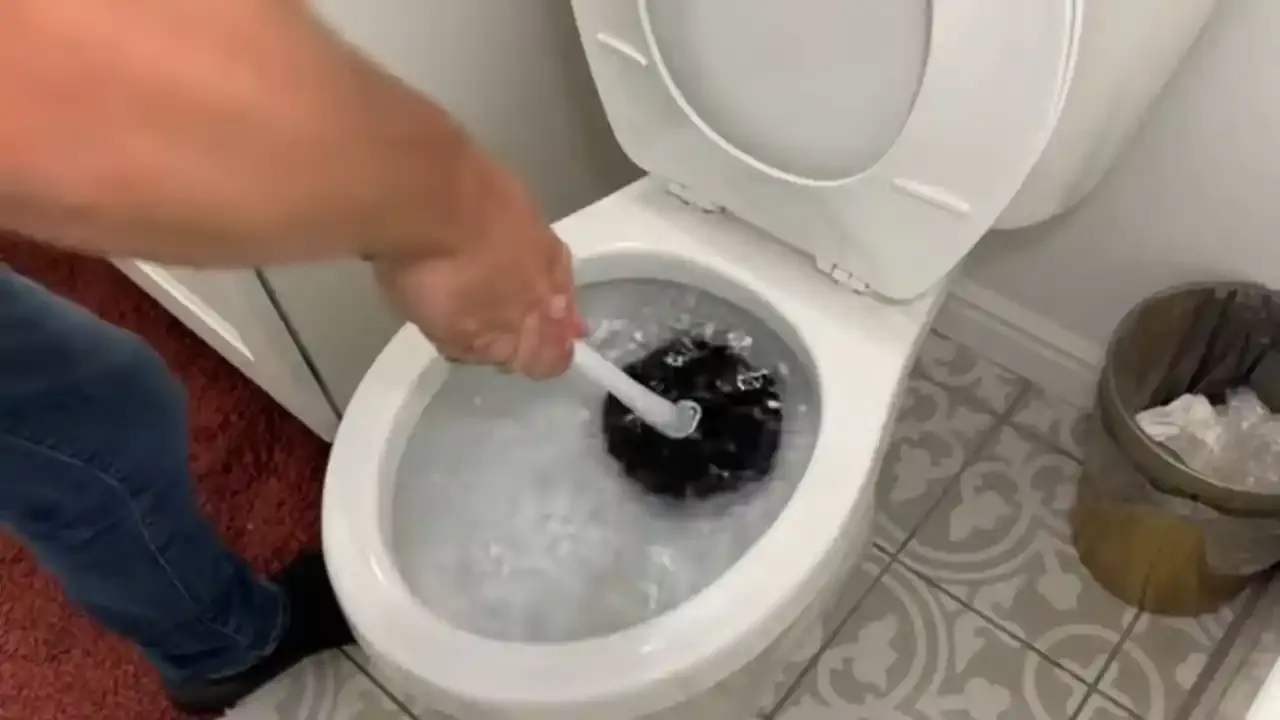
How to plunge a toilet properly
Use a flange plunger
It seals better than a cup plunger.
Seal
Cover the drain opening and push gently to remove air first.
Plunge
Push and pull firmly for about ten strokes.
Test
If water drops, flush once. If it rises, stop.
If the bowl is high, do not flush. Stop, shut the valve behind the toilet and call. Repeated flushing floods the bathroom.
Plunger not working?
Call. We clear the clog and look at why it formed.
When the clog is in the main line
Toilet only
- One toilet clogs and the rest drain well.
- A plunger or auger clears it.
- Habits are the likely cause.
Whole house
- Several drains slow or back up together.
- A floor drain or tub gurgles.
- A cabling machine or camera is needed.
A whole-house backup is a main line problem. See sewer line cleaning for what to do and who to call.
Where to call for what
Sewage from Syracuse goes to the North Davis Sewer District, whose daytime line is 801.825.0712. If you see sewage coming up and your neighbors report it too, tell the District. If the backup is only in your home, it is on your side of the line and a plumber is the right call.
City public works handles the city side of the water meter. Syracuse City Public Works is at 801.825.7235, and Layton City Public Works is at 801.336.3720. See plumbing in Layton if you are on that side of the line.
Source type: Sewer district and city web pages
Set the house rules
- Keep a lidded trash can in every bathroom.
- Show kids that only paper and what comes from them goes in.
- Tell guests, since many do not know a septic or sewer rule.
- Post a small sign if wipes keep showing up.
What to do the moment a toilet overflows
- Reach behind the toilet and turn the shutoff valve clockwise.
- Lift the tank lid and push the flapper down if the valve sticks.
- Lay towels at the base and keep people away from the wet floor.
- Wait before plunging. Let the water level drop first.
A calm first minute prevents most of the damage. Water that reaches the floor is much worse than a bowl that sits full for an hour.
Slow flush, gurgle or repeated clog
A toilet that flushes slowly and gurgles may have a blocked vent. Plumbing vents let air into the system so waste can drain. A bird nest or ice at the roof opening can starve the line of air.
Do not climb onto a roof to check. Call a plumber, who can test the vent and the line from the ground and tell you what is wrong.
Does the toilet itself matter
Some toilets flush better than others, and a model with a poor trap design clogs often no matter how carefully you use it. If the toilet clogs weekly, and the line is clear, replacement is a fair fix. Ask a plumber to test the line first so you do not buy a new toilet for an old problem.
Clogged toilet questions
Too much paper, wipes or a partial blockage in the line. If it happens with careful use, ask for a camera look.
They are labeled that way, and they do not break down like paper. Put them in the trash.
No. Chemicals sit in the bowl, can harm the pipes and are dangerous if a plumber has to work on it afterward.
When plunging fails, when it keeps returning or when other drains back up together.
A clog alone rarely does. Force, chemicals and repeated flooding can.
Plumbing help that matches this guide
We cover Syracuse and nearby towns on one number. See the full service area list or call (385) 488-1892 any hour.